Money Saving Hacks ·
Smart Ways to Slash Your Household Bills in Australia
TL;DR
To cut household bills in Australia, regularly compare and switch energy and broadband providers, optimise your home’s energy efficiency, and actively seek out state and federal rebates. Simple changes in daily habits combined with smart comparison can lead to significant annual savings. Many Australians overpay due to inaction, making comparison key.
In Australia, rising living costs are a constant worry for many households. The good news is there are numerous practical and effective ways to significantly reduce your regular household bills. From understanding your energy usage to leveraging comparison sites, taking proactive steps can lead to substantial savings.
1. Master Your Energy Usage
Energy bills are often the biggest culprit when it comes to household expenses. Understanding how you use energy and making smarter choices can have a huge impact.
- Compare Electricity and Gas Plans Regularly: This is arguably the most impactful action you can take. Energy retailers frequently change their offers, and loyalty often doesn't pay. Websites like Billcutters.com.au allow you to compare plans from various providers like AGL, Origin, EnergyAustralia, and smaller retailers across NSW, VIC, QLD, SA, and the ACT. In Victoria, the Victorian Energy Compare website is also a great tool.
- Understand Peak and Off-Peak Times: If you're on a time-of-use tariff, running appliances like washing machines and dishwashers during off-peak hours (usually late at night or early morning) can significantly reduce costs. Check your bill or contact your retailer to understand your tariff structure.
- Optimise Heating and Cooling: Set your air conditioner to a comfortable but efficient temperature – around 24-26°C in summer and 18-20°C in winter. Every degree can add 5-10% to your energy consumption.
- Unplug 'Phantom Loads': Many electronics continue to draw power even when turned off, often called 'vampire power'. Unplug chargers, TVs, and gaming consoles when not in use.
- Seal Draughts: Use weather strips and door snakes to prevent heat loss or gain through gaps around windows and doors. This is a low-cost improvement with immediate returns.
2. Slash Your Broadband and Mobile Phone Bills
Australians love their internet, but are you paying too much? The broadband and mobile markets are highly competitive.
- Compare Internet Providers: Don't stick with the same NBN or mobile broadband provider out of habit. New providers enter the market constantly, often with aggressive introductory offers. Sites like Billcutters can help you compare plans from Telstra, Optus, TPG, Aussie Broadband, and many more, based on your address and internet needs.
- Review Your Data Usage: Are you paying for more data than you need on your mobile plan? Or perhaps not enough, leading to excess charges? Analyse your monthly usage and choose a plan that aligns with your actual needs.
- Bundle Services Wisely: Some providers offer discounts if you bundle broadband, mobile, and even entertainment packages. However, always check if the bundled price is genuinely cheaper than individual services from different providers.
Here’s a simplified comparison example:
| Feature | Option A (Current Plan) | Option B (New Plan) | Potential Savings (Monthly) |
|---|---|---|---|
| Electricity | 30c/kWh | 25c/kWh | ~$20 - $40 |
| Daily Supply Charge | $1.20/day | $1.00/day | ~$6 |
| Broadband NBN | $85/month (NBN 50) | $70/month (NBN 50) | ~$15 |
| Mobile Plan | $40/month (40GB) | $30/month (40GB) | ~$10 |
| Total Savings | - | - | ~$51 - $71 |
Note: This is an illustrative example. Actual savings vary based on usage, location, and specific offers.
3. Unlock Australian Government Rebates and Concessions
Many Australians don't realise they're eligible for assistance with their bills. Both federal and state governments offer various rebates and concessions.
- Energy Bill Relief Fund: As of 2023-24, eligible households across Australia have received energy bill rebates (e.g., $500 in some states). Check if you qualify for future rounds.
- State-Specific Rebates: Each state and territory has its own suite of concessions. For example:
- Victoria: Power Saving Bonus (periodically offered), Low Income Household Rebate, and concessions for medical cooling or heating.
- NSW: Low Income Household Rebate, Family Energy Rebate, Gas Rebate.
- Queensland: Electricity Rebate, Medical Cooling and Heating Concession.
- South Australia: Energy Concession, Medical Concession.
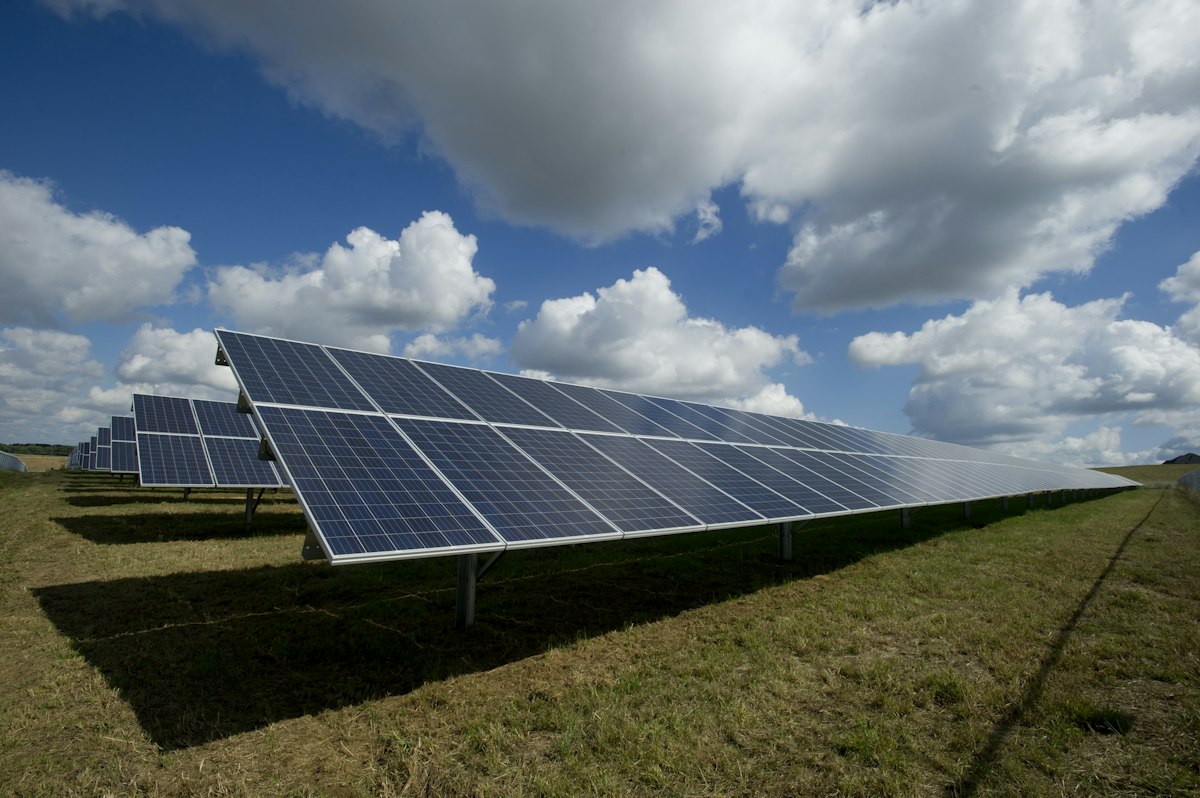
- Solar Rebates and Incentives: If you're considering solar, significant subsidies and feed-in tariffs (FiTs) are available. The Small-scale Renewable Energy Scheme (SRES) offers upfront financial incentives, and states often have their own programs. The Victorian government, for example, offers solar panel rebates for homeowners.
- Water and Council Rates: Concessions are often available for pensioners, veterans, and low-income cardholders on water bills and council rates. Contact your local council or water utility.
4. Smart Water Usage
Water bills can creep up, especially in drought-prone Australia.
- Fix Leaks Promptly: Even a small drip can waste thousands of litres over a year. Check all taps and toilets regularly.
- Water-Efficient Appliances: When replacing appliances, look for high WELS (Water Efficiency Labelling and Standards) ratings.
- Shorter Showers: Aim for four-minute showers. A timer can help you stick to it.
- Garden Wisely: Water plants early morning or late evening to minimise evaporation. Choose native, drought-resistant plants where possible.
5. Review Insurance Policies and Subscriptions
These 'set and forget' expenses can drain your bank account without much thought.
- Shop Around for Insurance: Don't automatically renew your home and contents, car, or health insurance. Get quotes from multiple providers annually. Your circumstances change, and so do market offers.
- Audit Your Subscriptions: Go through your bank statements and identify all recurring subscriptions – streaming services, gym memberships, apps, etc. Cancel anything you don't actively use or need.
By systematically reviewing your household expenses and making informed choices, you can achieve significant savings throughout the year. The key is to be proactive and compare your options regularly.
Frequently asked questions
What's the quickest way to cut my electricity bill in Australia?
The quickest way is to compare electricity plans from multiple retailers using a service like Billcutters.com.au and switch to a cheaper one, leveraging any current sign-up bonuses.
How often should I compare energy providers?
You should aim to compare energy providers at least once a year, or whenever your current contract expires, as market offers and your usage patterns can change significantly.
Are there free government rebates for household bills in Australia?
Yes, both federal and state governments offer various rebates and concessions for energy and sometimes water bills, especially for eligible low-income households, seniors, or those with medical conditions; check your state government's energy department website for details.
Can switching broadband providers really save me money?
Yes, switching broadband providers can definitely save you money, as the market is highly competitive with frequent introductory offers and a wide range of pricing from different NBN and mobile broadband providers.
What are 'phantom loads' and how do they affect my bill?
Phantom loads, or 'vampire power,' refer to the electricity consumed by appliances when they are turned off but still plugged in (e.g., TVs, chargers); these stealthy power draws can cumulatively add a noticeable amount to your energy bill over time.