Money Saving Hacks ·
Practical Ways to Cut Household Bills in Australia
TL;DR
To cut household bills in Australia, regularly compare energy and broadband plans, optimise your energy usage by understanding appliance efficiency, and actively seek out government rebates and concessions. Proactive management of your utilities and a focus on energy-saving habits are key to significant savings.
Every Australian household feels the squeeze of rising costs. From electricity and gas to broadband and insurance, bills can quickly add up, leaving little room for discretionary spending. But the good news is, there are many practical and proven ways to reduce these expenses without sacrificing your comfort or connectivity.
Compare, Compare, Compare: Your First Line of Defence
The most impactful action you can take to cut household bills is to compare your essential services regularly. Don't assume loyalty pays off – it often doesn't. Retailers frequently reserve their best deals for new customers.
Energy Bills: Unlock Savings
Australia's energy market is competitive, particularly in states like New South Wales, Victoria, South East Queensland, and South Australia. The Australian Energy Regulator (AER) and the Essential Services Commission Victoria (ESCV) provide frameworks for comparing plans.
- Use Comparison Websites: Tools like Billcutters.com.au allow you to quickly compare offers from various retailers based on your actual usage and postcode. These sites are accredited to provide independent comparisons.
- Understand Your Bill: Look for your tariff structure (peak, off-peak, shoulder), supply charges, and usage charges. Knowing these helps you identify potential savings. Are you on a legacy plan that's no longer competitive?
- Negotiate: Once you've found a better offer, call your current provider. They might match or beat it to keep your business.
Broadband Deals: Speed Up Your Savings
NBN plans and other internet services also vary significantly in price and speed. With so many providers, it's easy to get a better deal.
- Assess Your Needs: Do you really need the fastest NBN plan, or would a slightly slower (and cheaper) plan suffice? Families with multiple streamers or gamers might need higher speeds, but many households can get by on less.
- Bundle Options: Sometimes bundling internet with mobile or pay TV can offer discounts, but always check if the combined price is genuinely better than separate services.
- Watch for Promotions: Providers frequently offer introductory discounts for the first six or twelve months. Mark your calendar to compare again before the promotion ends.
Smart Energy Habits: Beyond Comparison
Comparing plans is crucial, but so is reducing the amount of energy you use. Small changes can lead to big savings over time.
- Efficient Heating and Cooling: Heating and cooling account for a huge portion of household energy use. Set your thermostat to 24°C in summer and 18-20°C in winter. Use draught stoppers and seal gaps under doors and windows. Close curtains and blinds to insulate your home.
- Appliance Management:
- Standby Power: "Phantom load" from appliances left on standby can add up. Turn off devices at the power point when not in use.
- Laundry: Wash clothes in cold water whenever possible. Modern detergents are effective at lower temperatures. Full loads are more efficient than multiple small loads.
- Dishwasher: Only run the dishwasher when it's full. Use the eco or air-dry setting if available.
- Lighting: Switch to LED globes. They use significantly less power and last much longer than traditional incandescent or even CFL bulbs.
- Hot Water: If you have an electric hot water system, consider installing a timer to run it during off-peak electricity hours. For larger savings, look into solar hot water or heat pump systems.
Harnessing Solar & Rebates
Australia offers various incentives to help households reduce their carbon footprint and their bills.
Solar Power: Generate Your Own Savings
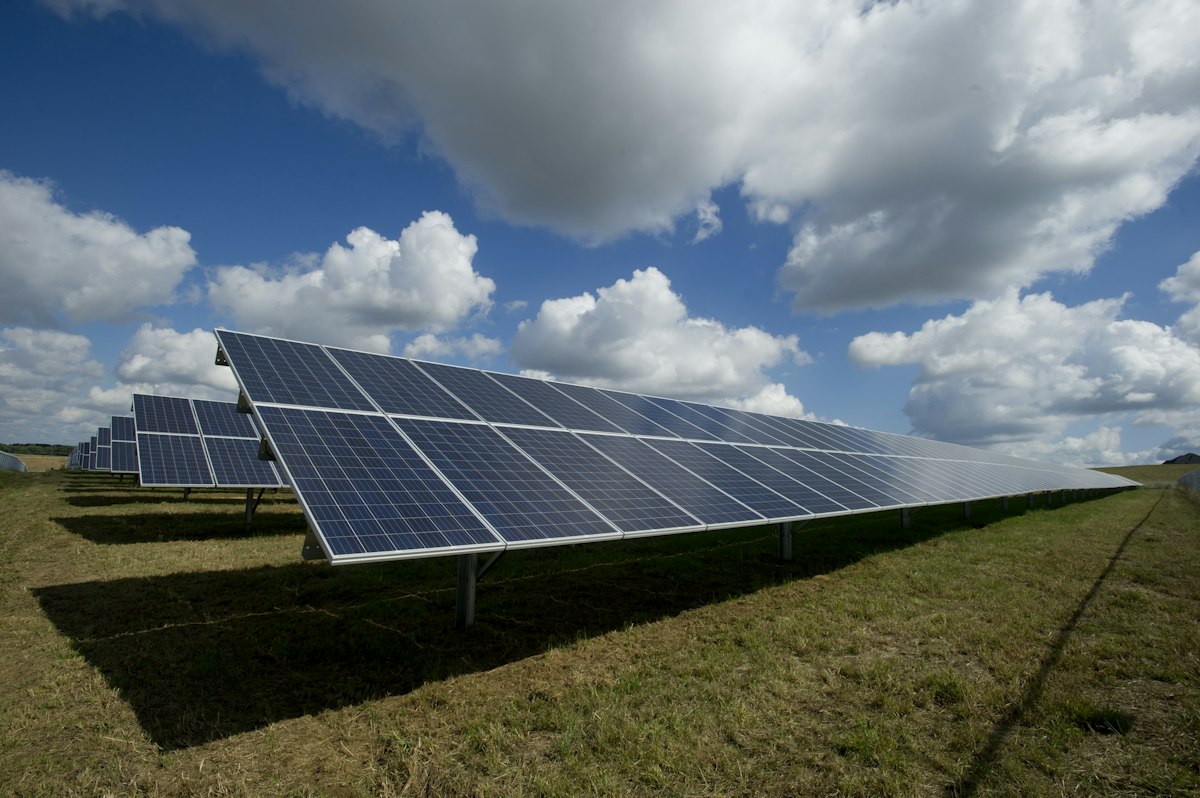
Installing solar panels can drastically reduce or even eliminate your electricity bills. While the upfront cost can be significant, government incentives and feed-in tariffs make it a worthwhile investment for many households.
- Federal STCs: The Small-scale Renewable Energy Scheme (SRES) provides Small-scale Technology Certificates (STCs) that act as an upfront discount on solar installations across Australia.
- State-Specific Rebates: States like Victoria offer significant rebates through programs like Solar Homes Victoria, which can include rebates for solar panels, batteries, and hot water systems. Other states may have similar programs.
Government Rebates & Concessions
Don't leave money on the table! Australian states and territories offer a range of rebates and concessions for eligible households, particularly for low-income earners, pensioners, and those with specific medical conditions.
Example Rebates (as of 2024 - check state government websites for current details):
| State/Territory | Energy-related Rebates (Examples) |
|---|---|
| NSW | Low Income Household Rebate, Family Energy Rebate, Medical Energy Rebate |
| VIC | Annual Electricity Concession, Gas Concession, Solar Homes Program |
| QLD | Electricity Rebate, Solar Bonus Scheme (closed to new applicants) |
| SA | Energy Concession, Medical Concession |
| WA | Energy Concession (for eligible cardholders) |
| TAS | Electricity Concession, Heating Allowance |
| ACT | Utilities Concession, Home Energy Efficiency Program |
| NT | Concession Scheme for Power, Water, and Council Rates |
Check your relevant state government energy or services website (e.g., Service NSW, Victorian Energy Compare) to see what you might be eligible for.
Other Areas for Bill Cutting
- Water Bills: Fix leaky taps and toilets, take shorter showers, and consider water-efficient appliances. In many areas, councils provide rebates for water-saving devices.
- Insurance: Don't just auto-renew! Compare home and contents, car, and health insurance annually. You might find a better deal with another provider or even by adjusting your excess.
- Subscriptions: Review all your streaming services, gym memberships, and app subscriptions. Cancel anything you don't frequently use.
By taking a proactive approach to comparing services, adopting energy-efficient habits, and claiming all eligible rebates, Australian households can significantly reduce their bill burden. Make it a habit to review your expenses quarterly or annually, and you'll be surprised at how much you can save.
Frequently asked questions
What's the easiest way to cut my electricity bill in Australia?
The easiest way to cut your electricity bill in Australia is to regularly compare energy plans from different retailers using an accredited comparison website like Billcutters.com.au to ensure you're on the most competitive offer for your usage.
Should I compare my broadband plan regularly?
Yes, you should compare your broadband plan regularly, ideally every 6-12 months, as providers frequently offer new customer discounts and better deals that you could be missing out on by staying with an older plan.
Are there government rebates available for household bills in Australia?
Yes, there are various government rebates and concessions available for household bills in Australia, offered by federal and state governments, particularly for energy, which you can check eligibility for on your state's service website.
How can I reduce appliance energy use without replacing them?
You can reduce appliance energy use without replacing them by unplugging devices at the power point to eliminate standby power, running washing machines and dishwashers only when full, and washing clothes in cold water.
Will installing solar panels help me save money on bills?
Yes, installing solar panels can significantly help you save money on bills by generating your own electricity, reducing your reliance on the grid, and potentially earning feed-in tariffs for excess power, often supported by federal and state incentives.