Bill Savings ·
Top Tips to Slash Your Household Bills in Australia
TL;DR
To cut household bills in Australia, compare and switch energy and broadband providers regularly, leverage government rebates for energy efficiency, and adopt smart habits like off-peak appliance usage. These combined strategies can lead to significant annual savings on essential services and utilities.
In Australia, the cost of living continues to be a hot topic, with household bills forming a significant chunk of our budgets. The good news is that there are many practical and straightforward ways to reduce these expenses without sacrificing comfort. Here's how savvy Australians can cut down their household bills.
1. Energy Bills: Compare, Switch, and Conserve
Energy is often one of the biggest household expenses. Don't just set and forget your energy plan!
Constantly Compare Energy Providers
The Australian energy market is competitive, and retailers frequently offer new customer deals. While it might seem like a hassle, comparing plans every 6-12 months can save you hundreds of dollars. Websites like Energy Made Easy (AER's comparison site) or private comparison services like Billcutters can help you find a better deal tailored to your usage.
Example Savings (Hypothetical):
| Retailer | Offer | Estimated Annual Bill (Typical Household) |
|---|---|---|
| Current Provider | Standard Offer | $2,000 |
| New Provider A | % discount on usage | $1,750 |
| New Provider B | Fixed rate + credit | $1,800 |
| Potential Savings | $200 - $250+ |
Embrace Energy-Efficient Habits
- Optimise heating and cooling: Set your thermostat efficiently (e.g., 24-26°C in summer, 18-20°C in winter). Every degree can make a difference.
- Turn off lights and appliances: Simple but effective. Unplug electronics at the wall (or use power boards with a master switch) to avoid 'phantom load' or 'standby power' consumption.
- Use appliances wisely: Run dishwashers and washing machines on full loads during off-peak hours if your plan offers time-of-use tariffs. This can be significantly cheaper, especially in states like NSW, Victoria, and Queensland where off-peak rates are common.
- Seal draughts: Block gaps under doors and around windows to prevent heat loss in winter and heat gain in summer.
Consider Solar Power
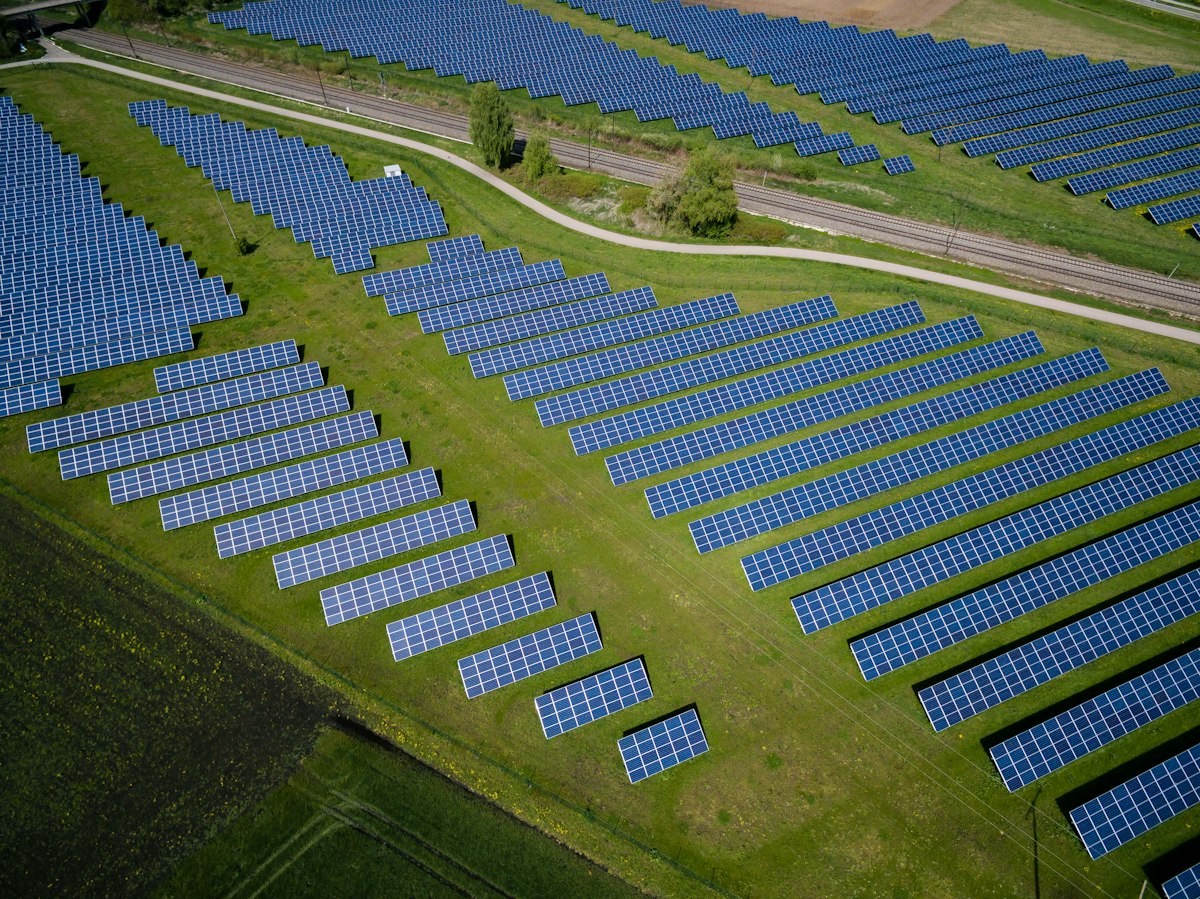
If you own your home, investing in solar panels can drastically reduce or even eliminate your electricity bills. Government incentives, such as the Small-scale Renewable Energy Scheme (SRES) which offers rebates on eligible systems, make solar more affordable. Many states also offer Feed-in Tariffs (FiTs) where you get paid for excess solar electricity exported to the grid.
2. Broadband and NBN: Don't Overpay for Speed
With so many NBN providers, prices and speeds vary widely. Ensure you're not paying for more speed than you actually need.
Assess Your Usage
- Standard household (2-4 people): NBN 50 (Standard speed) is usually sufficient for streaming, browsing, and work-from-home.
- Heavy users/gamers/large families: NBN 100 (Fast speed) or higher might be beneficial.
Shop Around and Haggle
Broadband providers frequently offer introductory deals for new customers. Don't be afraid to switch providers every 12-24 months. You can also call your current provider and ask if they can match or beat a competitor's offer – customer retention departments often have special deals. Billcutters can help compare NBN plans for your address.
3. Water Bills: Be Mindful of Every Drop
Water-saving is crucial, especially in drought-prone Australia.
- Fix leaks promptly: Even a small drip can waste thousands of litres over a year.
- Shorten showers: Aim for 4-minute showers.
- Install water-efficient fixtures: Look for products with a high WELS (Water Efficiency Labelling and Standards) rating.
- Water gardens strategically: Water early morning or late evening to minimise evaporation.
4. Phone Bills: Cut Unnecessary Costs
Mobile phone plans are easy to trim down. Review your data usage regularly.
- Prepaid vs. Postpaid: Evaluate if a prepaid plan with a set amount of data, calls, and texts suits you better than a more expensive postpaid contract.
- SIM-only plans: If you own your phone outright, a SIM-only plan is almost always cheaper than bundling with a new phone. You can get generous data allowances for less than $30-$40 per month.
- Utilise Wi-Fi: Connect to Wi-Fi whenever possible to reduce mobile data usage.
5. Insurance: Home, Car, and Health
Insurance is a necessity, but you don't have to pay top dollar.
- Compare policies annually: Your circumstances change, and so do insurance products and prices. Websites allow you to compare cover and premiums from multiple insurers.
- Increase your excess: A higher excess can significantly lower your annual premium, but ensure you can afford the excess if you need to make a claim.
- Review your cover: Do you still need that rental car cover on your car insurance, or flood cover if you've moved to a non-flood-prone area? Adjust your policy to your current needs.
6. Leverage Government Rebates and Concessions
Australia offers various rebates and concessions, particularly for energy and water efficiency, and for eligible households facing hardship.
- Energy Rebates: Many states (e.g., Victoria's Victorian Energy Upgrades (VEU) program, NSW's Energy Bill Relief) offer incentives for installing energy-efficient appliances, insulation, or even LED lighting.
- Bill Relief: Check with your state government for eligibility for general energy bill relief schemes, especially if you hold a concession card (e.g., Seniors Card, Disability Support Pension).
- Medicare Levy Surcharge: If your income is above a certain threshold and you don't have private health insurance, you pay a Medicare Levy Surcharge. This often makes private health insurance a financially smarter choice.
By taking a proactive approach to comparing services, adapting your habits, and leveraging available government support, Australian households can make significant dents in their monthly expenses. Start by reviewing one bill this week and see how much you can save!