Money Saving Hacks ·
10 Money-Saving Hacks for Australian Households This Month
TL;DR
To save money this month, Australian households can implement 10 key hacks, including comparing energy and broadband plans, optimising appliance use, meal planning, and leveraging government rebates. These strategies focus on reducing regular expenses to significantly improve your household budget.
Every dollar counts, especially with the rising cost of living in Australia. This month, you can make a real difference to your household budget by implementing a few smart strategies. From trimming your energy bills to smarter grocery shopping, here are 10 practical money-saving hacks designed for Australian households.
1. Compare & Switch Your Energy Plan
The quickest way to save hundreds annually is to compare your electricity and gas plans. Energy prices change regularly, and loyalty rarely pays. Many Australians are on outdated or uncompetitive plans.
- How to do it: Use Billcutters' free comparison service (or the AER's EnergyMadeEasy, or state-based equivalents like VIC's Energy Compare) to compare offers from various retailers in your area. Look for lower usage rates, supply charges, and conditional discounts. You might find a better deal within minutes.
- Australian context: The Australian Energy Regulator (AER) oversees most of the National Electricity Market (NEM) states (NSW, QLD, SA, TAS, ACT). Victoria has its own Essential Services Commission (ESC). Always check the Reference Price or Default Market Offer (DMO) for a baseline comparison.
2. Optimise Your Appliance Usage
Your appliances are often the biggest culprits for high energy bills. Small changes can lead to significant savings.
- Washing Machine: Use cold water cycles (saves up to 80% of energy compared to hot water) and only run full loads.
- Dishwasher: Only run when full, use eco-mode, and air-dry dishes by opening the door after the wash cycle instead of using the heated dry function.
- Fridge/Freezer: Ensure seals are tight, keep it full (but not overstuffed), and set the temperature correctly (around 3-4°C for the fridge, -18°C for the freezer).
- Standby Power: Unplug devices or use power boards with switches to eliminate 'vampire power' draw.
3. Review & Switch Your Broadband Plan
Just like energy, broadband plans evolve. You could be paying too much for speed you don't need or missing out on better value deals.
- Action: Check your current usage and speed requirements. Are you on an NBN 50 plan but only really need NBN 25? Or is there a new provider offering a similar speed for less? Compare plans on Billcutters to find a cheaper option. Many providers offer introductory discounts that can save you AUD $10-$20 per month for the first six months.
4. Master Meal Planning & Smart Shopping
Food waste and impulse purchases are budget killers. Plan your meals to buy only what you need.
- Weekly Plan: Jot down meals for the week, including breakfasts, lunches, and dinners.
- Shopping List: Stick strictly to your list. Avoid shopping when hungry.
- Bulk Buying (Smartly): Buy non-perishables in bulk when on sale, but ensure you'll use them before they expire.
- No-Waste Meals: Get creative with leftovers. Turn roast chicken into sandwiches or soup.
5. Harness Natural Light & Regulate Temperature
Reduce reliance on artificial lighting and heating/cooling.
- Daylight: Open curtains and blinds to maximise natural light during the day.
- Heating/Cooling: Set your thermostat to an energy-efficient range (e.g., 24-26°C in summer, 18-20°C in winter). Use ceiling fans in summer and dress warmly in winter. Close doors to unused rooms.
- Draught Proofing: Seal gaps around doors and windows to prevent heat loss/gain. This is a cheap DIY fix with a big impact.
6. Explore Government Rebates & Concessions
Many Australian states and territories offer various rebates and concessions to help with household bills. Don't leave money on the table!
| State/Territory | Example Rebate Type | Description |
|---|---|---|
| NSW | Low Income Household Rebate | Helps eligible low-income households with their electricity bill. |
| VIC | Annual Electricity Concession | Provides a discount on electricity bills for eligible concession card holders. |
| QLD | Electricity Rebate | Assists pensioners, seniors, and other eligible card holders with electricity costs. |
| SA | Cost of Living Concession | A payment to assist with household expenses, including energy bills. |
| WA | Energy Concession Extension Scheme | Helps eligible cardholders with their electricity bills. |
| ACT | Utilities Concession | Provides a daily discount on electricity, gas, and water bills. |
| TAS | Electricity Concession | A daily discount on electricity for eligible cardholders. |
| NT | Electricity Concession Scheme | Reduces electricity costs for eligible pensioners and low-income earners. |
- Action: Visit your state government's energy or finance department website (e.g., Service NSW, Victorian Government, etc.) to see what you qualify for. You might be surprised!
7. Reduce Water Usage
Water bills can add up, especially in drought-prone Australia. Be mindful of your consumption.
- Shorter Showers: Aim for 4-minute showers.
- Fix Leaks: Even a slow drip can waste thousands of litres annually.
- Efficient Appliances: Use water-efficient washing machines and dishwashers.
- Gardening: Water plants in the early morning or late evening to minimise evaporation. Consider drought-resistant plants.
8. DIY Home Maintenance & Repairs
Before calling a tradie, consider if you can fix it yourself. YouTube tutorials are a treasure trove of information.
- Small Repairs: Leaky taps, clogged drains, painting, minor plaster repairs.
- Tool Library: Borrow tools from friends or community groups instead of buying expensive ones you'll rarely use.
- Seasonal Checks: Regularly clean air conditioner filters, check smoke detector batteries, and clear gutters to prevent larger, costlier issues.
9. Re-evaluate Subscriptions & Memberships
Are you paying for services you barely use? This is easy money to claw back.
- Audit: List all your recurring subscriptions – streaming services, gym memberships, apps, software.
- Cut the Fat: Cancel anything you don't actively use or enjoy. Rotate streaming services instead of having them all simultaneously.
- Negotiate: For services you want to keep (e.g., insurance), call them and ask for a better deal.
10. Consider Solar Power (Long-Term Savings)
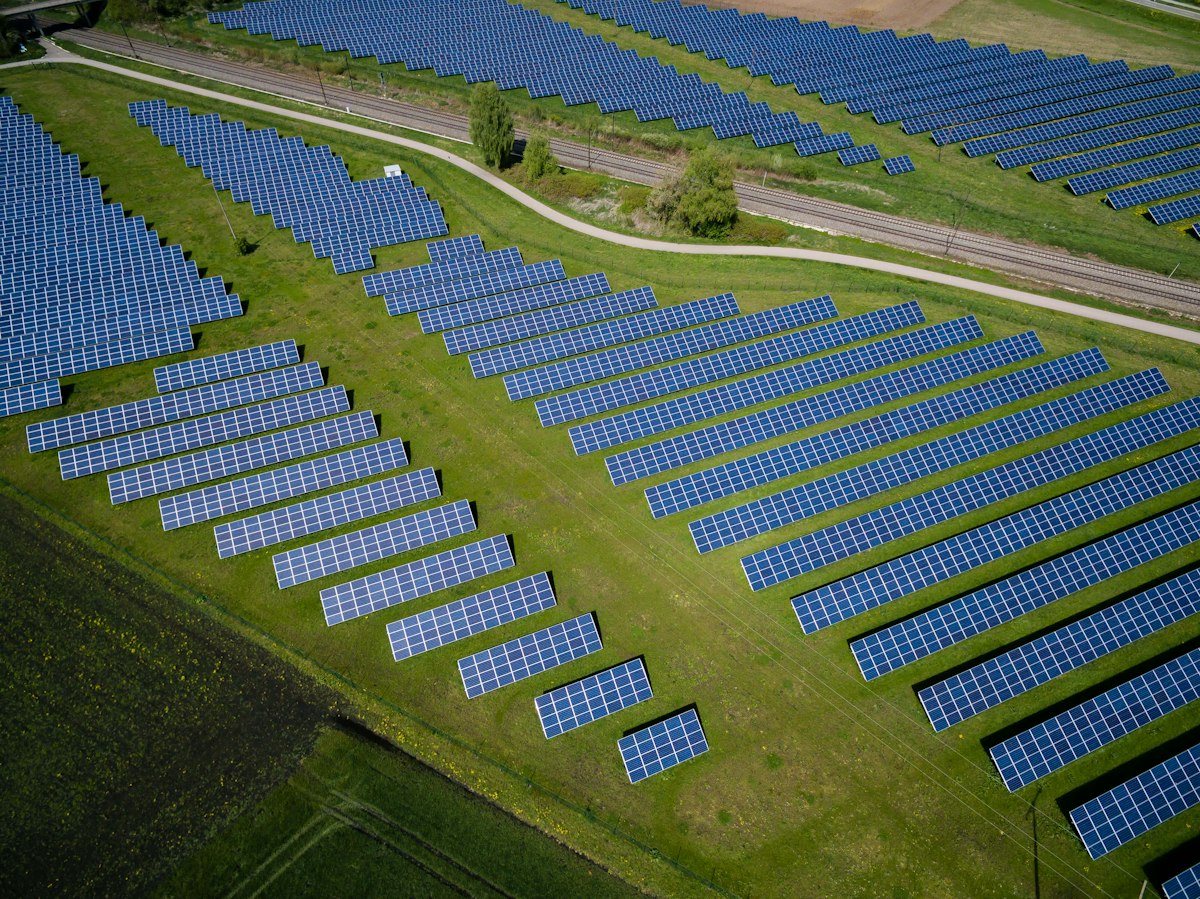
While an upfront investment, solar power can drastically reduce or even eliminate your electricity bills in the long run.
- Australian Benefits: Australia has abundant sunshine and various state and federal incentives (like the Small-scale Renewable Energy Scheme, which provides STCs) that make solar more affordable.
- Action: Get multiple quotes from reputable solar installers. Research payback periods and potential savings. Billcutters can help you compare solar options.
By implementing even a few of these money-saving hacks, you can make a significant positive impact on your household finances this month and build better habits for long-term savings. Start today and watch your savings grow!
Frequently asked questions
What's the easiest way for Australian households to save money quickly?
The easiest and often most impactful way to save money quickly is to compare and switch your energy and broadband plans, as loyalty often means paying more than necessary.
How can I reduce my energy bill without major investments?
You can reduce your energy bill without major investments by optimising appliance usage (cold washes, full loads), eliminating standby power, using natural light, and setting your heating/cooling efficiently.
Are there government programs to help with household bills in Australia?
Yes, Australian state and territory governments offer various rebates and concessions for energy, water, and other living costs; check your state's official government website for eligibility.
How much can I save by meal planning and smart grocery shopping?
Meal planning and smart grocery shopping can save Australian households hundreds of dollars annually by reducing impulse buys, food waste, and ensuring you only purchase necessary items.
What are 'vampire power' devices and how can I stop them?
'Vampire power' refers to electricity consumed by electronics when they are turned off but still plugged in; you can stop them by unplugging devices or using power boards with individual switches.