Money Saving Hacks ·
10 Money-Saving Hacks for Australian Households This Month
TL;DR
Australian households can save money this month by focusing on 10 key areas, including comparing bills, optimising energy use, smart grocery shopping, and leveraging rebates. Implementing even a few of these hacks can lead to significant savings across various household expenses. These tips are tailored to the Australian context, helping you manage rising costs effectively.
Times are tough, and many Australian households are feeling the pinch of rising living costs. The good news is that there are always actionable steps you can take to lighten the load on your wallet. This month, let's focus on 10 practical money-saving hacks that can help you keep more of your hard-earned cash.
1. Compare Your Energy Plan
One of the biggest household expenses for Australians is energy, and it's also one of the easiest to save on. Many households are still on outdated or uncompetitive plans. The Australian Energy Regulator (AER) encourages consumers to compare plans regularly.
- Action: Visit Billcutters.com.au or use the federal government's Energy Made Easy website to compare electricity and gas plans in your area. Even a small saving per kilowatt-hour can add up significantly over a year.
- Tip: Look beyond the headline discount. Pay attention to supply charges, usage charges, and any conditional discounts (e.g., pay on time).
2. Audit Your Subscriptions & Memberships
Streaming services, gym memberships, apps – these monthly costs can quickly accumulate unnoticed.
- Action: Go through your bank statements and list every recurring subscription. Ask yourself: "Do I use this regularly? Is it worth the cost?" If not, cancel it.
- Example Savings: Cancelling two unused streaming services at $15/month each saves you $30 every month, or $360 annually.
3. Plan Your Meals and Grocery Shop Smart
Food waste and impulse buys are budget killers. Being strategic about your groceries can save hundreds.
- Action: Plan your meals for the week, make a strict shopping list, and stick to it. Buy seasonal produce, which is often cheaper and fresher. Avoid shopping when hungry.
- Tip: Compare unit prices (per 100g or 100mL) rather than just the ticket price. Look for specials at different supermarkets.
4. Reduce Your Water Usage
Water bills might seem fixed, but conscious efforts can lead to savings, especially in states with higher water charges.
- Action: Take shorter showers (aim for 4 minutes). Fix leaky taps and toilets promptly. Only run dishwashers and washing machines when full. Collect rainwater for garden use if possible.
- State Initiatives: Look into state-specific water-saving programs or rebates for efficient appliances.
5. Optimise Your Broadband Plan
Just like energy, broadband plans offer a lot of competition. Don't pay for speed you don't need or an old plan that's no longer competitive.
- Action: Use Billcutters.com.au to compare NBN and other internet plans. Many providers offer introductory discounts for new customers.
- Consider: Do you need super-fast NBN 1000, or would NBN 50 suffice for your household's needs? Downsizing could save you $10-20 per month.
6. Leverage Government Rebates & Concessions
Australian governments (federal and state) offer various rebates, concessions, and energy efficiency programs. Many households miss out.
- Action: Check your state government's website for available rebates. Examples include:
- VIC: Victorian Energy Upgrades (VEU) program for discounted energy-efficient products.
- NSW: Low Income Household Rebate, Family Energy Rebate.
- QLD: Electricity Rebate, Cost of Living Concession.
- SA: Energy Concession, Medical Heating and Cooling Concession.
- WA: Energy Concession, Dependent Child Concession.
- Tip: Some rebates are automatically applied if you're eligible, but others require application.
7. Ditch the Dryer or Use It Smartly
Tumble dryers are notoriously energy-intensive appliances. In Australia's climate, line drying is often a viable alternative.
- Action: Hang clothes out to dry whenever possible. If you must use a dryer, use a high-speed spin cycle in your washing machine first to remove as much water as possible. Clean the lint filter with every load to maintain efficiency.
- Energy Consumption Comparison (Illustrative, per load):
| Appliance | Estimated Cost (per load) |
|---|---|
| Clothes Dryer | $0.50 - $1.50 |
| Washing Machine | $0.15 - $0.30 |
| Line Drying | Free |
Note: Costs vary by appliance efficiency, electricity rates, and load size.
8. Utilise Community Resources & Second-Hand Markets
Before buying new, consider pre-loved items or borrowing.
- Action: For clothes, furniture, and even some appliances, check op-shops (thrift stores), local online marketplaces (e.g., Facebook Marketplace, Gumtree), or local 'Buy Nothing' groups. Consider borrowing tools or equipment from neighbours instead of buying them.
- Benefit: Not only does this save money, but it's also great for sustainability.
9. Optimize Your Home Heating/Cooling
Heating and cooling are significant energy drains. Smart usage can lead to substantial savings, especially during peak seasons.
- Action: Set your thermostat to comfortable but not extreme temperatures (e.g., 24-25°C in summer, 18-20°C in winter). Use draught stoppers, close curtains/blinds to insulate, and seal gaps around windows and doors.
- Tip: Use ceiling fans efficiently – they cost much less to run than air conditioners. Only heat or cool the rooms you are using.
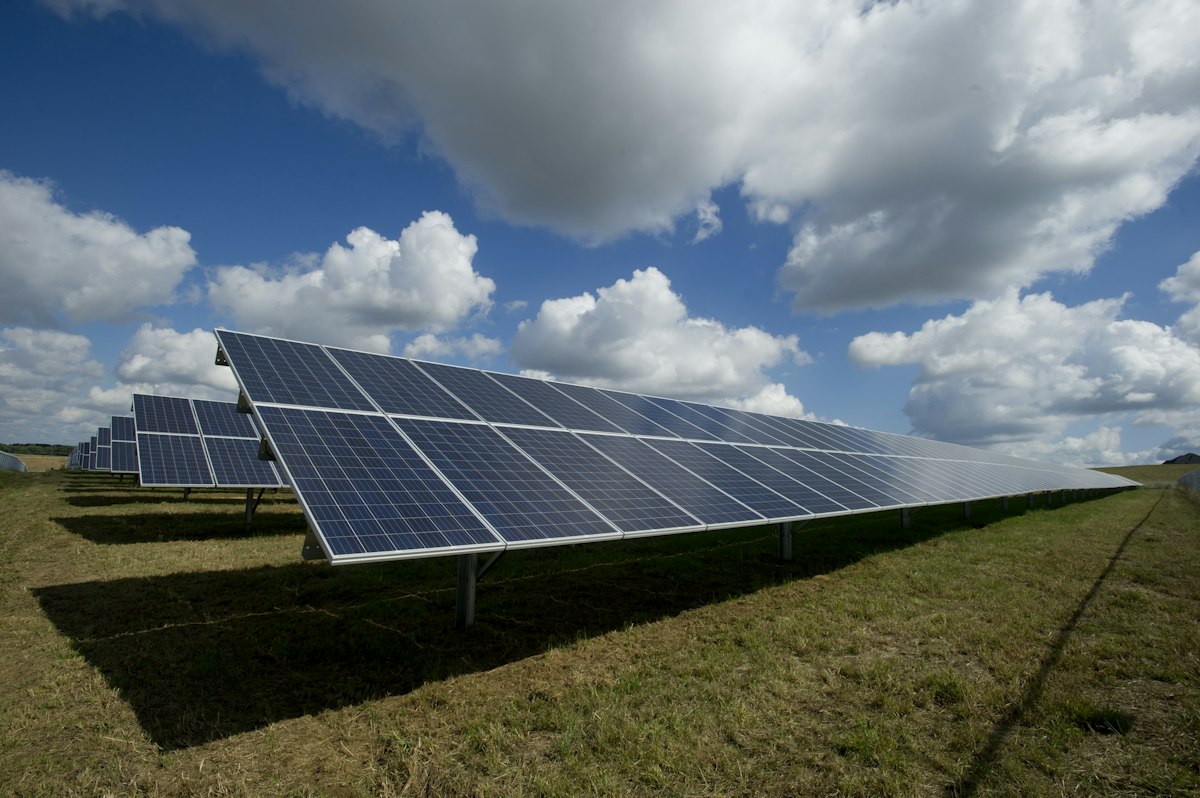
10. Consider Switching to Solar Power (Long-Term Saving)
While an upfront investment, solar power offers significant long-term savings and often attractive short-term incentives.
- Action: If your home is suitable, get quotes for solar panel installation. Investigate state and federal solar rebates and feed-in tariffs. The Clean Energy Council provides accredited installer lists.
- Benefit: Many households can drastically reduce or even eliminate their electricity bills, with payback periods often as short as 3-5 years, depending on your state and energy usage.
Making small changes consistently can lead to big savings over time. Don't feel overwhelmed; pick a few of these hacks to focus on this month and see the positive impact on your household budget. For personalised bill comparisons, remember to visit Billcutters.com.au – it's often the quickest way to find immediate savings on your energy and broadband bills.
Frequently asked questions
How can I quickly save money on my energy bill?
You can quickly save money on your energy bill by comparing your current plan with others available in your area through services like Billcutters.com.au or Energy Made Easy, as many households are on uncompetitive rates.
What are some easy ways to reduce grocery expenses in Australia?
Easy ways to reduce grocery expenses include planning meals, making a strict shopping list, buying seasonal produce, comparing unit prices, and shopping for specials at different supermarkets.
Are there government rebates available for saving money on household bills?
Yes, Australian federal and state governments offer various rebates and concessions, such as the Victorian Energy Upgrades program, NSW's Family Energy Rebate, and Queensland's Electricity Rebate, which can help reduce household bill costs.
How often should I compare my broadband plan?
You should compare your broadband plan at least once a year, or whenever your contract is nearing its end, to ensure you're getting the best deal and not paying for speeds you don't need.
What's the most impactful way to reduce my heating or cooling costs?
The most impactful way to reduce heating or cooling costs is by optimising your thermostat settings (e.g., 18-20°C in winter, 24-25°C in summer), using draught stoppers, and sealing gaps to prevent energy loss.
Is installing solar panels a good money-saving hack for this month?
Installing solar panels is a long-term money-saving hack that can significantly reduce electricity bills over time, but the initial setup and full savings typically extend beyond a single month due to installation time and payback periods.