Money Saving Hacks ·
10 Money-Saving Hacks for Australian Households This Month
TL;DR
Australian households can significantly reduce their monthly expenses by implementing smart strategies across various categories like energy, groceries, and services. Key tactics include comparing energy and broadband plans, optimising appliance usage, planning meals, and utilising government rebates. These ten hacks aim to provide immediate financial relief and establish long-term savings habits for families nationwide.
Welcome to Billcutters, your go-to source for plain-English advice on saving money on your household bills. This month, we've put together 10 practical money-saving hacks specifically designed for Australian households to help you keep more of your hard-earned cash. Let's dive in!
1. Compare Your Energy Plan Annually (or Sooner!)
The easiest way to save hundreds of dollars a year? Compare your energy plan. Energy retailers in Australia are constantly updating their offers, and loyalty often doesn't pay. Even if you've been with the same provider for years, you could be on an outdated, more expensive plan. The Australian Energy Regulator (AER) encourages consumers to shop around.
How to do it:
- Use Comparison Sites: Websites like Billcutters.com.au make comparing plans from providers like AGL, Origin, EnergyAustralia, Red Energy, and others quick and easy. Simply enter your postcode and a few details from a recent bill.
- Check for Exit Fees: Most plans no longer have exit fees, making switching straightforward.
- Look for Conditional Discounts: Be aware of discounts that depend on direct debit or on-time payments. Make sure you can meet these conditions.
2. Optimise Your Appliance Usage
Your appliances are significant energy consumers. Small changes in how you use them can lead to big savings.
- Air Conditioner: Set your thermostat to 24-26°C in summer and 18-20°C in winter. Every degree outside this range can increase energy use by 5-10%.
- Washing Machine: Always wash with cold water. Heating water accounts for around 90% of a washing machine's energy consumption.
- Dishwasher: Only run it when full. Use the eco setting if available.
- Refrigerator: Ensure your fridge and freezer seals are tight and that coils are clean. Avoid placing hot food directly inside.
- Standby Power: Unplug chargers and appliances when not in use. "Phantom load" can add up to 10% to your energy bill.
3. Review Your Broadband and Mobile Plans
Just like energy, the telecommunications market is highly competitive. Many Australians are paying for more data or speed than they actually need.
Broadband Comparison Example (as of early 2024, indicative):
| Provider | Plan Type | Speed Tier (Typical Evening) | Monthly Cost (AUD) | Contract | Notes |
|---|---|---|---|---|---|
| Provider A | NBN Standard | 50 Mbps | $75 | No lock-in | Promotional offers often available |
| Provider B | NBN Fast | 100 Mbps | $90 | 12 months | Includes some extras |
| Provider C | NBN Basic | 25 Mbps | $60 | No lock-in | Good for light users |
| Provider D | NBN Superfast | 250 Mbps | $110 | No lock-in | For heavy streamers/gamers |
- Assess Your Needs: Do you stream 4K movies or just browse social media? Choose a plan that matches your usage.
- Bundle Deals: Some providers offer discounts if you bundle broadband with mobile or other services, but always compare the total cost.
- Shop Around: Use comparison tools to find the best deals from providers like Telstra, Optus, TPG, Aussie Broadband, and others.
4. Plan Your Meals and Grocery Shop Smart
Food waste is a major drain on household budgets. A bit of planning can save you significant money at the supermarket.
- Meal Planning: Plan your meals for the week before you shop. This reduces impulse buys and food waste.
- Shopping List: Stick strictly to your shopping list.
- Bulk Buy (Wisely): Only buy non-perishables in bulk if you have space and will use them before they expire.
- Compare Unit Prices: Look at the 'price per 100g' or 'price per kg' to find the best value, not just the sticker price.
- Shop Specials: Browse catalogues for specials before you head to Coles, Woolworths, or Aldi.
5. Leverage Government Rebates and Concessions
Many Australian states offer rebates and concessions for households, particularly for energy-efficient upgrades or for those with specific eligibility criteria.
- Energy Saver Incentives (NSW/VIC/SA): Schemes like the NSW Energy Savings Scheme (ESS), Victorian Energy Upgrades (VEU), and South Australian Retailer Energy Productivity Scheme (REPS) offer incentives for installing energy-efficient products (e.g., LED lighting, hot water heat pumps).
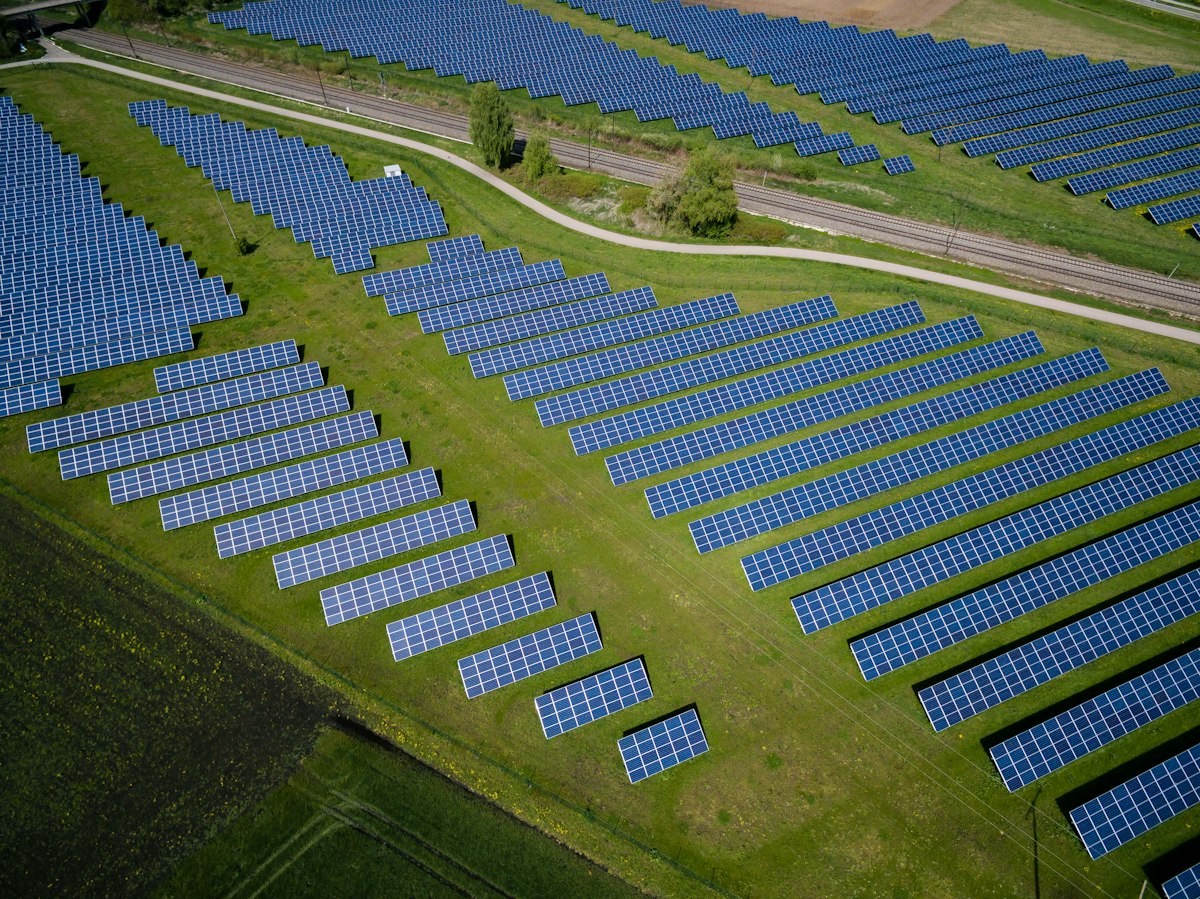
- Solar Rebates: State and federal solar rebates (like the Small-scale Renewable Energy Scheme) can significantly reduce the upfront cost of solar panel installation.
- Medical/Pensioner Concessions: Check if you're eligible for concessions on utility bills, council rates, or public transport. Each state has different criteria.
6. Audit Your Subscriptions and Memberships
Are you still paying for streaming services you rarely watch or gym memberships you don't use? These small monthly costs add up.
- Create a List: Write down all your subscriptions (Netflix, Stan, Disney+, Spotify, gym, software, etc.).
- Review Usage: For each, ask yourself: "Do I use this regularly? Is it worth the cost?"
- Cancel or Downgrade: Cancel unused subscriptions. Consider sharing accounts (where permitted by terms) or downgrading to cheaper tiers if available.
7. Reduce Water Usage
Water bills can be substantial, especially in hotter months. Simple habits can make a big difference.
- Shorter Showers: Aim for 4-minute showers.
- Fix Leaks: Even a slow drip can waste thousands of litres over a year.
- Water-Efficient Appliances: Look for appliances with high WELS (Water Efficiency Labelling and Standards) ratings when replacing old ones.
- Garden Smart: Water plants in the early morning or late evening to minimise evaporation. Consider drought-resistant plants.
8. DIY Simple Home Maintenance
Before calling a tradesperson, consider if it's a job you can tackle yourself. Simple repairs can save you call-out fees.
- Leaky Taps: Often just require a new washer.
- Blocked Drains: Can often be cleared with a plunger or a basic drain cleaner.
- Appliance Maintenance: Cleaning fridge coils, dryer lint filters, or air conditioner filters can improve efficiency and extend their lifespan.
9. Review Your Insurance Policies
Don't just auto-renew your home, car, or health insurance policies. The insurance market is very competitive.
- Compare Quotes: Get quotes from at least three different insurers annually.
- Adjust Coverage: Are you paying for coverage you no longer need? For example, if your car is older, you might consider third-party rather than comprehensive.
- Look for Discounts: Many insurers offer discounts for bundling policies, increasing your excess, or paying annually.
10. Embrace the 'No-Spend Day' Challenge
Designate one or two days a week where you commit to spending absolutely no money. This excludes pre-paid bills, but otherwise, no coffee runs, no impulse buys, no takeaways.
- Get Creative: Use what you have in the pantry, find free entertainment, go for a walk instead of driving.
- Mindful Spending: This challenge helps you become more aware of your spending habits and identify areas where you can cut back without feeling deprived.
Implementing even a few of these hacks can make a noticeable difference to your household budget this month. Remember, every dollar saved is a dollar earned! For more detailed advice on cutting your energy, broadband, and solar costs, visit Billcutters.com.au.
Frequently asked questions
What is the fastest way for Australian households to save money this month?
The fastest way for Australian households to save money this month is to compare and switch energy and broadband providers, as competition often means better deals are available for new customers. Using comparison websites like Billcutters.com.au makes this process quick and efficient, potentially saving hundreds of dollars annually.
How can I reduce my electricity bill effectively in Australia?
You can effectively reduce your electricity bill in Australia by comparing energy plans annually, optimising appliance usage (e.g., setting AC to 24-26°C, washing with cold water), and unplugging electronics to avoid 'phantom load.' Additionally, check for state-specific energy efficiency rebates like those from VEU or ESS.
Are there government rebates available for saving money on household bills?
Yes, there are various government rebates and concessions available in Australia that can help save money on household bills. These include state-based energy efficiency schemes (e.g., NSW ESS, Vic VEU), federal and state solar rebates, and concessions for pensioners or low-income households on utility bills, which vary by state.
What are some simple ways to save on groceries in Australia?
Simple ways to save on groceries in Australia include planning your meals for the week, sticking to a shopping list, comparing unit prices, and taking advantage of supermarket specials from retailers like Coles, Woolworths, and Aldi. Reducing food waste by using up what you buy also contributes significantly to savings.
How often should I review my insurance policies to save money?
You should review your insurance policies (home, car, health) at least once a year, ideally before automatic renewal, to save money. This allows you to compare quotes from multiple providers, adjust your coverage to fit current needs, and inquire about potential discounts for bundling or paying annually.